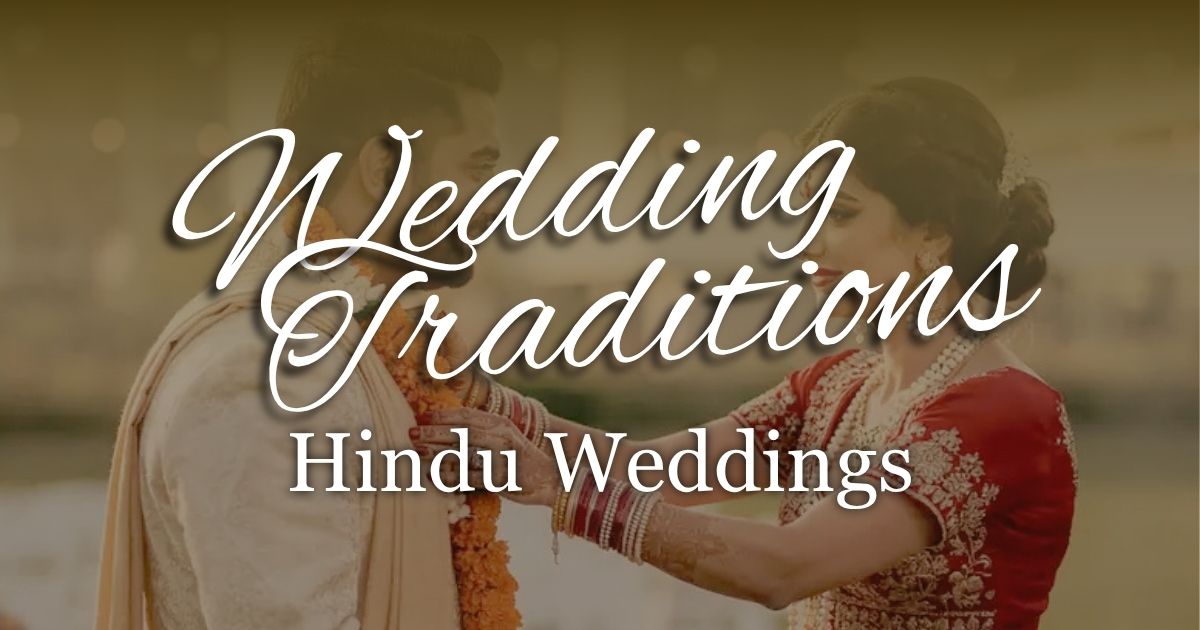
Hindu wedding traditions in the United States blend multiday celebrations, mehndi, sangeet, baraat, and the sacred fire ritual, with American reception customs like bouquet tossing. Across Central Florida, couples merge cultural rites with venue logistics and catering menus featuring vegetarian and dairy-free options. Events by Dubsdread is located in Orlando, FL, offers customizable menus honoring heritage while fitting modern American wedding timelines.
Table of Contents
Key Takeaways
- Hindu weddings unite two souls spiritually, joining minds, bodies, and souls across this and future lives.
- Marriage in Hinduism pursues four life aims: dharma, artha, kama, and moksha through sacred partnership.
- Indian weddings span multiple days, requiring guests to understand etiquette and traditions throughout celebrations.
- Hindu ceremonies build sacred bonds between two families, creating lasting spiritual connections beyond the couple.
What Defines Hindu Wedding Traditions in the US?
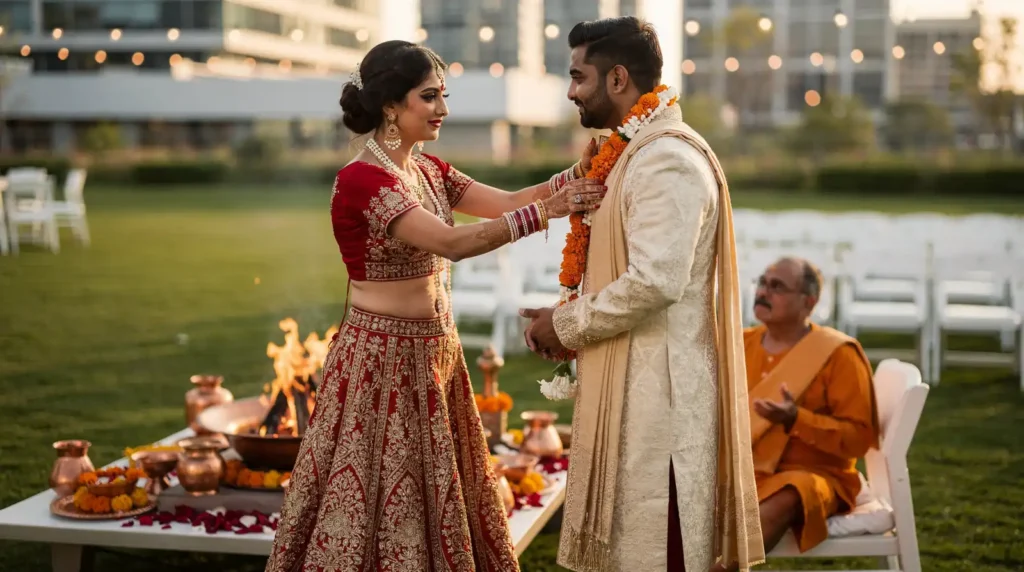
Hindu wedding traditions celebrated by couples in the United States often rest on a spiritual foundation far older than the venue, the menu, or the guest list. In many Hindu traditions, two souls join in pursuit of four shared aims: dharma, artha, kama, and moksha. These goals, representing duty, prosperity, love, and liberation, give the ceremony a purpose beyond celebration alone.
Marriage, in this framework, functions as a spiritual partnership rather than a simple legal contract. The union binds minds, bodies, and souls across this life and future lives, while also linking two families together. That dual focus, personal and familial, shapes almost every ritual decision couples make when building a Hindu wedding ritual guide for their own celebration.
How Do Families Adapt Ancient Rituals for Modern US Weddings?
Many Hindu wedding rituals have roots in centuries-old traditions, even as families continue to adapt them for American venues, schedules, and guest expectations. Many couples now plan an Hindu-American fusion wedding, pairing traditional rites with Western reception elements. Families often adjust timing, language, and staging without altering the underlying meaning of each ritual.
Why Does So Much Tradition Surround a Hindu Wedding?
Indian weddings carry layers of sentimental meaning that couples and families want to understand before the big day arrives. Rich customs built over generations connect:
- Family lineage and blessings passed from elders to the couple
- Spiritual milestones marked at specific ceremony stages
- Community celebration spanning multiple days and events
Couples planning celebrations in the United States benefit from learning this history early. Understanding the meaning behind each ritual, rather than treating it as decoration, helps families honor tradition while still designing a day that fits their venue, their guests, and their own blended story.
What Rituals Shape a Hindu Wedding Ritual Guide?
Sacred ceremonies built on shared values are central to the Hindu wedding traditions many couples incorporate into their celebrations in the United States. Each ritual promotes righteous living through themes like selfless love, honesty, and mutual respect, forming a moral backbone rather than empty pageantry. These values give every gesture, from a shared vow to a symbolic knot, a deeper purpose beyond spectacle.
Sanskrit often anchors the language of these ceremonies. Many Hindu wedding prayers and ceremonial texts draw on Sanskrit, an ancient classical language. Families across the United States preserving this language in ceremony connect modern celebrations to centuries of continuity, even when English guides the rest of the day.
No two Hindu weddings look identical. Rituals shift by region, by language, by family, and by the deity tradition a family follows. A proper Hindu wedding ritual guide accounts for this variation rather than assuming one fixed script.
What events happen before and after the wedding ceremony?
Celebrations extend well beyond the main vows. Baraat, Sangeet, Mehndi planning typically covers the groom’s processional arrival, musical gatherings, and henna application, each held on separate days before the ceremony. Post-wedding rituals and gatherings follow, rounding out a multiday celebration rather than a single event.
What should a complete planning guide include?
A thorough guide spans the full arc of the celebration, not just the ceremony itself. Couples planning an Hindu-American fusion wedding need clarity on each phase:
- Prewedding gatherings and ritual preparation
- The ceremony itself, with its vows and sacred rites
- Post-ceremony customs and family traditions
- Reception details, including the food served to guests
Each phase carries its own logistics, and understanding Hindu wedding venue catering requirements early helps families coordinate timing, space, and menu needs across the full multiday schedule.
How Do Mehndi, Sangeet, and Baraat Celebrations Work?
Planning for the mehndi, sangeet, and baraat includes coordinating henna celebrations, musical gatherings, and the groom’s wedding-day procession. Mehndi and sangeet typically take place before the wedding day, while the baraat precedes the ceremony itself. Families across the United States coordinate these celebrations over several days, which raises real questions about order, timing, and etiquette for guests unfamiliar with the customs.
Because Hindu weddings typically unfold across multiple days, couples and relatives often wonder what happens first, who attends which event, and what’s expected of them at each one. A clear sequence helps:
- Mehndi: an intimate gathering where intricate henna designs are applied to the bride’s hands and feet, often alongside close family and friends.
- Sangeet: a music- and dance-filled evening that brings both families together before the main ceremony.
- Baraat: the groom’s festive procession to the ceremony site, frequently marked by drumming, dancing, and a joyful entrance.
What Order Do Mehndi, Sangeet, and Baraat Usually Follow?
Mehndi and Sangeet generally take place in the days leading up to the wedding. The Baraat arrives on the ceremony day itself. Exact scheduling varies by family tradition and regional background, so confirming the order early prevents confusion for out-of-town guests.
Who helps families plan these events smoothly?
Navigating multiday logistics benefits from planners experienced in the full breadth of Indian wedding customs. Experienced coordinators and vendors familiar with these traditions guide families through venue timing, guest flow, and the practical details that keep a multiday celebration running without last-minute scrambling.
What Makes an Indian American Fusion Wedding Unique?
A Hindu-American fusion wedding blends two distinct traditions into one celebration. Multiday ritual and vibrant color meet streamlined American reception elements, creating a day that honors both families without overwhelming either one. Couples across the United States are choosing this path because it lets them keep every meaningful ritual while shaping a timeline guests can actually follow.
Blending traditions well requires more than scheduling two ceremonies back to back. The real work lies in weaving traditions such as mehndi, sangeet, and baraat into a celebration,, into a structure that still feels cohesive from welcome dinner through send-off. One documented celebration in Indiana paired Indian wedding customs with familiar American reception touches at a dedicated event venue, giving guests on both sides a day that felt unified rather than split in two.
Why are more American venues open to Hindu-inspired celebrations?
Venue teams who regularly host these celebrations understand the layout, timing, and staging that multi-ritual days demand.
Three elements tend to separate a smooth fusion wedding from a chaotic one:
- Cohesive design that carries color palettes and motifs across both cultural elements
- Thoughtful sequencing so rituals and receptions flow without rushed transitions
- Shared vocabulary between families and vendors about what each tradition requires
Opulent results come from planning, not improvisation. Couples who map out cultural touchpoints early tend to produce the most memorable, balanced celebrations.
What Are Hindu Wedding Venue Catering Requirements?
Catering requirements for a Hindu wedding center on food service that matches the scale and significance of the reception meal. Reception dining ranks among the most anticipated parts of the celebration. Guest counts often run high across multiday events, so kitchens and service staff must handle volume without sacrificing presentation.
Because Hindu wedding traditions vary among families in the United States by deity tradition, linguistic region, and community, catering logistics cannot follow a single template. A caterer serving a Gujarati family’s celebration may face different menu expectations than one serving a South Indian or Punjabi household. Flexibility matters as much as skill.
Does an Indian American fusion wedding need different catering than a traditional Hindu ceremony?
A Hindu-American fusion wedding typically blends dual menus, pairing traditional dishes with Western courses to reflect both families’ backgrounds. Staffing needs often grow since two culinary traditions run side by side. Planners should request tastings for both menu tracks before finalizing contracts.
What should couples look for in a Hindu wedding ritual guide for venue planning?
A thorough Hindu wedding ritual guide helps couples map ceremony flow onto venue logistics, since rituals shift by family and region. Coordinating mehndi, sangeet, and baraat activities alongside catering timelines keeps multiday events organized. Key points to confirm with any venue include:
- Kitchen capacity for high guest counts
- Flexible service styles for multiple menu traditions
- Timeline coordination across several pre-wedding events
Events by Dubsdread offers customizable venue and catering options for Hindu and fusion wedding celebrations throughout Central Florida, and can address any Hindu wedding venue catering requirements directly.
FAQ
What is the spiritual purpose of a Hindu wedding?
Hindu weddings unite two souls in pursuit of dharma, artha, kama, and moksha, duty, prosperity, love, and liberation. The union binds minds, bodies, and souls across this life and future lives while linking two families together.
How do US couples adapt Hindu wedding rituals for modern celebrations?
Families adjust timing, language, and staging to fit American venues and schedules without altering each ritual’s underlying meaning. Many couples plan an Indian American fusion wedding, pairing traditions like mehndi, sangeet, and baraat with Western reception customs such as bouquet tossing.
Where can couples in Central Florida plan a Hindu wedding with customizable menus?
Events by Dubsdread, located in Orlando, FL, United States, offers customizable menus as some families may request vegan menus, avoidance of beef, or other dietary accommodations based on religious and family preferences. This allows couples to honor their heritage while fitting modern Hindu-American wedding timelines.
Conclusion
In closing, Hindu fusion weddings reflect a beautiful blend of ancestral customs and contemporary celebration. Whether honoring centuries-old rituals or adapting ceremonies to modern life, couples create meaningful events that unite families and communities across cultures. Planning a Hindu fusion wedding requires thoughtful coordination of multiple ceremonies, detailed logistics, and culturally informed service–elements that transform tradition into an unforgettable experience that resonates with guests and honors family heritage.
Research & Sources
The traditions described in this guide draw on well-documented aspects of Hindu wedding practice and real multicultural celebrations in the United States.
- The four aims of Hindu marriage , dharma, artha, kama, and moksha, represent duty, prosperity, love, and liberation. This framework is foundational to Hindu marital philosophy and explains why the ceremony is treated as a spiritual partnership rather than a purely legal union.
- Sanskrit liturgy remains the root language for core wedding rites across most Hindu traditions, even as families in the United States conduct the surrounding celebration in English.
- Regional and community variation means rituals differ by language, deity tradition, and family background, so no single script applies to every Hindu wedding, a point couples and vendors should confirm early in planning.
- Venue and catering guidance in this article reflects practices at Events by Dubsdread in Orlando, FL, where customizable menus, including when families may request vegan menus, avoidance of beef, or other dietary accommodations based on religious and family preferences.
Couples seeking more details on a specific need or tradition should consult family elders, officiants, or cultural organizations familiar with their particular lineage, since the customs summarized here represent common practice rather than a universal standard.