Key Takeaways
- The “something old, new, borrowed, blue” rhyme originates from Victorian-era England, dating back to the 1800s.
- Each of the 4 elements symbolizes a specific blessing: continuity, optimism, borrowed happiness, and fidelity.
- White wedding dresses gained popularity after Queen Victoria wore white at her 1840 royal wedding.
- The bridal veil traditionally symbolizes modesty and protection, shielding the bride from evil spirits.
Why Do Wedding Attire Traditions Still Matter Today?
Wedding traditions rooted in centuries-old customs continue to shape modern celebrations, offering couples a meaningful thread of shared cultural identity on one of life’s most significant days. Wedding attire, in particular, carries a symbolic weight that reaches far beyond fabric and silhouette, connecting a couple’s present moment to generations of shared meaning.
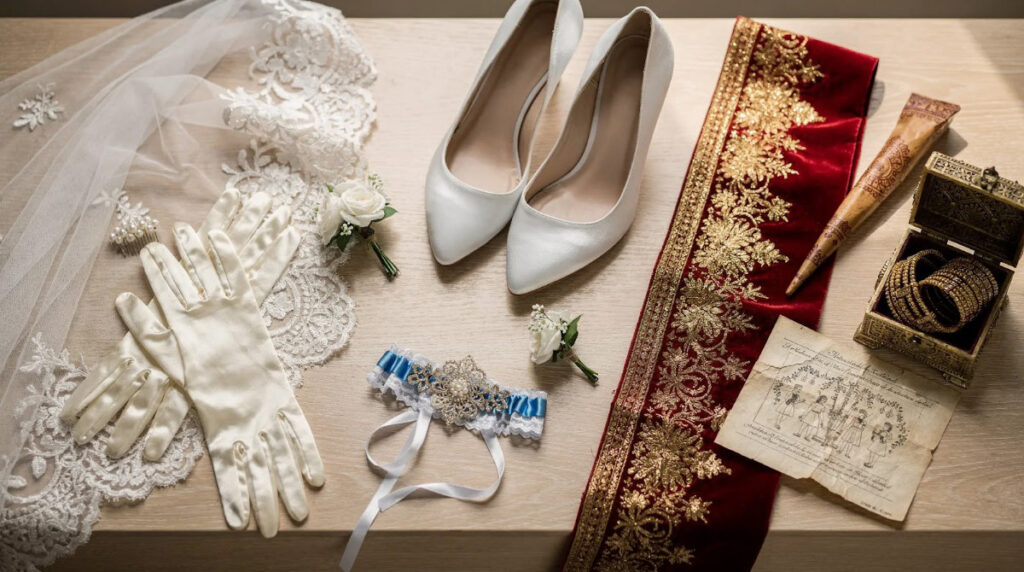
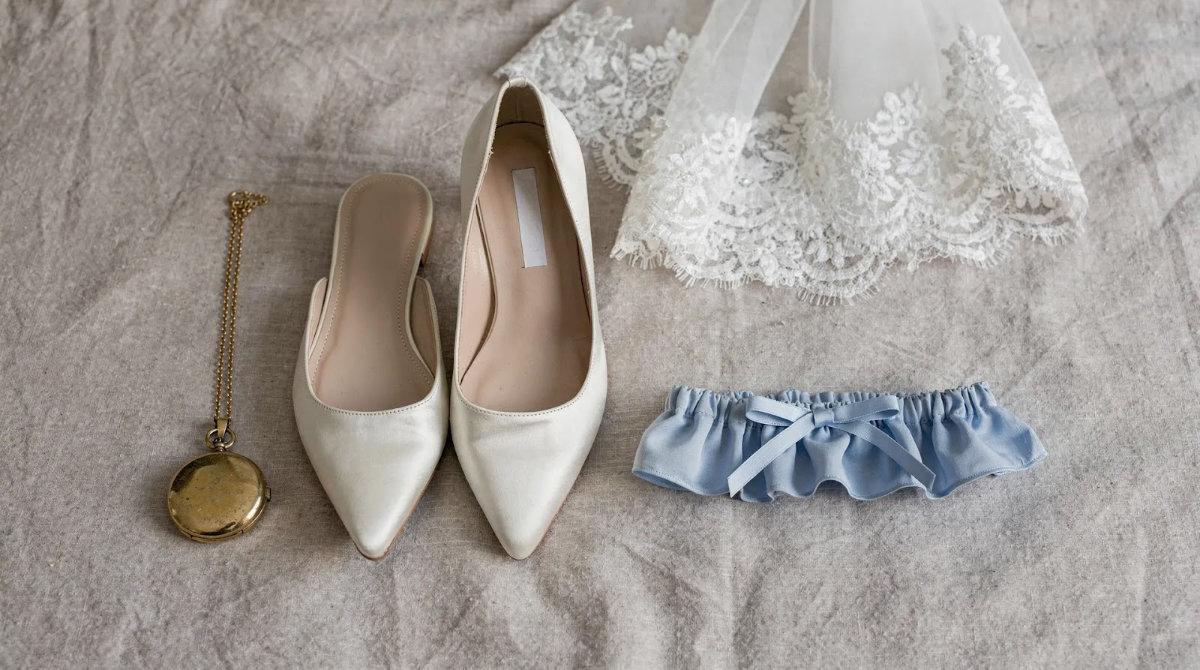
Many of today’s beloved wedding customs began centuries ago and have gracefully adapted to fit modern tastes. The “something old, something new, something borrowed, something blue” tradition is a perfect example. The phrase traces back to an old English rhyme first recorded in the Victorian Era, and the complete verse traditionally includes a fifth element that most modern couples never hear: a sixpence in the shoe.
What Does Each Element of the Tradition Represent?
Each of the four elements serves a distinct emotional purpose for the bride:
- Something old: carries forward a personal or family tradition
- Something new: represents optimism for the future
- Something borrowed: offers a shared tribute from a loved one
- Something blue: symbolizes a meaningful gift from family or friends
Together, these four items transform the bridal look from a purely aesthetic choice into something deeply personal, a quiet collection of meaning carried down the aisle.
Why Do Couples Still Follow Victorian-Era Wedding Customs?
Modern couples return to Victorian-era customs because these rituals offer something genuinely grounding during one of life’s biggest transitions. The something old, new, borrowed, and blue tradition gives brides a sentimental framework for honoring the relationships and memories that matter most, carrying the people they love, in a very real sense, right alongside them into married life.
What Does Something Old, New, Borrowed, Blue Mean?
Wedding traditions built around this rhyme carry beautifully specific meanings, each element chosen to bring protection, optimism, luck, or fidelity into a couple’s new life together. Taken as a whole, the four elements fulfill the full protective intent the original Victorian-era verse was crafted to provide.
The rhyme itself originated in 19th-century England and traditionally includes five elements, with the complete verse closing on “a sixpence in her shoe”, a line most modern couples never hear. Each of the four well-known elements carries a distinct purpose:
- Something old: provides protection
- Something new: offers optimism for the future
- Something borrowed: sourced from a happily married couple, it transfers good luck
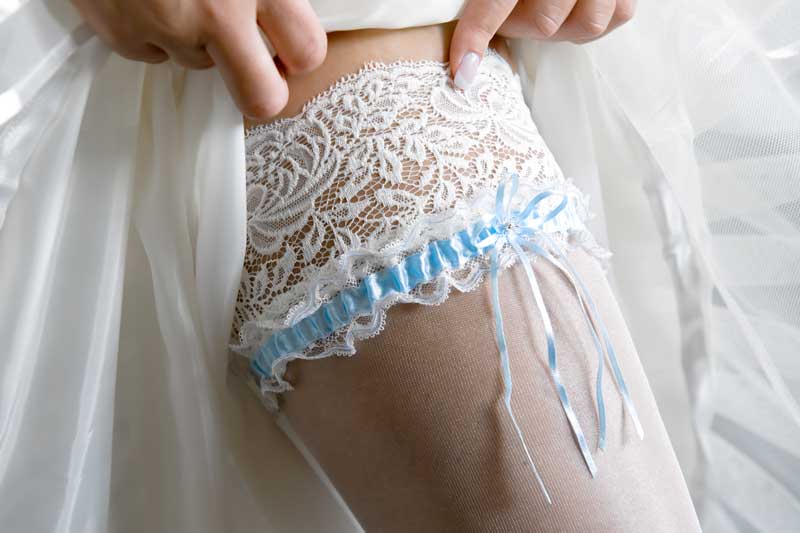
- Something blue: signals purity and fidelity
Why Did Brides Originally Follow This Tradition?
The original purpose of carrying these items was protective, not merely decorative. Victorian-era belief held that a bride who carried all four elements into married life was guarded against the Evil Eye, a curse thought to be delivered through a malicious glare and believed capable of rendering a bride infertile. By that belief, the stakes of the tradition were very real.
Is This Tradition Only for Brides?
This tradition is not limited to brides. Anyone getting married can incorporate the four elements into their wedding attire or the broader celebration to add genuine sentimentality and a touch of good fortune to the day. The beauty of the tradition is its flexibility; borrowed pieces from family members, a vintage accessory as the “old” element, or a subtle blue detail woven quietly into the ensemble can all honor the original intent while feeling entirely personal.
Events by Dubsdread understands that meaningful details like these shape the entire tone of a wedding day. Culinary excellence and Southern charm set the atmosphere, but it’s the personal touches couples bring to their attire and ceremony that make each celebration truly unforgettable.
How Can You Incorporate These Traditions Creatively?
Wedding traditions extend well beyond the wardrobe; the something old, new, borrowed, and blue tradition reaches naturally into every corner of the celebration. Applying these elements beyond clothing opens up genuinely meaningful opportunities in décor, florals, and event details that guests and couples will carry with them long after the reception ends.
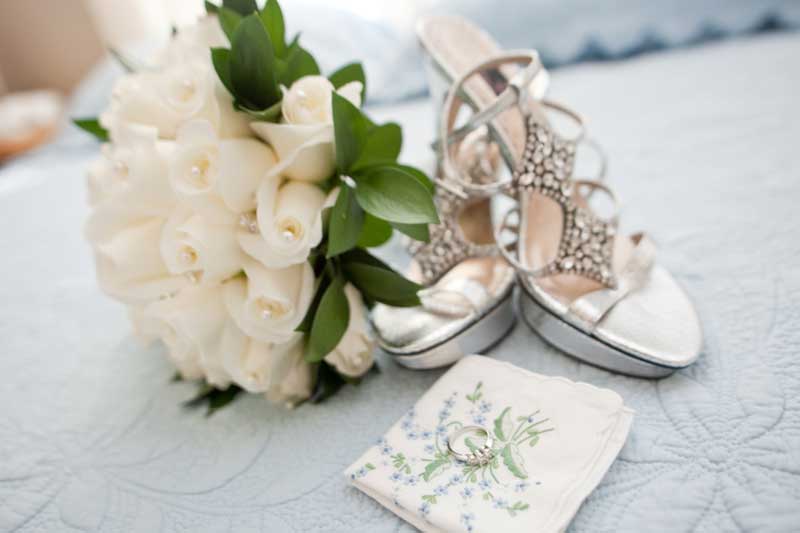
The core principle is a simple one: blend the old with the new in ways that feel personal to the couple. Borrowed pieces from friends and family bring warmth and sentimentality into the ensemble, while vintage items carry the “something old” beautifully. Neither element needs to be confined to a veil or a ring, the same spirit translates just as naturally into table centerpieces, stationery, and ceremony backdrops.
Where Can Couples Apply These Elements Beyond Clothing?
Couples find natural homes for the tradition across many areas of the wedding day, well beyond what they wear. Vintage family photographs make a quietly powerful “something old” in a gallery-style display near the ceremony entrance, while a newly commissioned floral arrangement or a custom monogram brings the “something new” to life in the reception décor.
How Do Borrowed and Blue Elements Work in Décor?
A borrowed heirloom, a grandmother’s candlestick, say, or a friend’s table runner, adds a genuinely layered meaning to the tablescape. Blue accents woven into napkins, ribbon details, or floral arrangements honor the “something blue” beautifully, all while keeping the overall design palette cohesive and intentional.
Here is a quick reference for applying each element creatively:
| Tradition Element | Attire Application | Décor Application |
|---|---|---|
| Something Old | Vintage jewelry | Family heirloom centerpiece |
| Something New | Custom bridal shoes | Newly designed stationery |
| Something Borrowed | Friend’s veil or bracelet | Borrowed heirloom table piece |
| Something Blue | Blue hair accessory | Blue ribbon or floral accent |
Events by Dubsdread helps couples weave these personal details into a cohesive event experience, ensuring that every meaningful element finds its place in both the setting and the celebration itself.
What Are the Origins of the White Dress and Bridal Veil?
The white gown and the bridal veil are among the most recognizable elements of wedding attire, and both carry histories that stretch back centuries, shaped by royal influence, cultural symbolism, and evolving social norms. Understanding where they came from adds a layer of genuine intention to every bridal attire decision.
Why Do Brides Wear White?
Before Queen Victoria wore a white gown at her 1840 royal wedding to Prince Albert, brides dressed in a wide range of colors, red, blue, and even black were all common choices, with most women simply wearing their finest dress regardless of hue. White was not a practical option for many; keeping a white garment clean was a quiet display of wealth and social standing. Victoria’s decision to wear a white lace-trimmed gown was a deliberate departure from convention, and the image spread widely enough to set an entirely new standard for brides across the Western world.
By the mid-19th century, white had become synonymous with bridal fashion. Interestingly, the symbolic association with purity and innocence came after the trend took hold, the meaning was layered onto the color once it was already popular, not the other way around.
What Is the History of the Bridal Veil?
The bridal veil predates the white dress by many centuries. In ancient Rome and Greece, brides wore veils as a form of protection, a shield against the evil spirits believed to target happy couples on their wedding day. The veil was meant to confuse or ward off those malicious forces, serving as a literal barrier between the bride and harm.
In later centuries, the veil took on an additional practical role in arranged marriages, where a bride’s face remained concealed from the groom until the ceremony was complete, a safeguard against a last-minute rejection at the altar. That history is still quietly present in the “lifting of the veil” moment that moves guests at modern ceremonies, even when its original protective meaning has long since faded.
Today, the bridal veil carries the weight of modesty, transition, and ceremonial reveal, an accessory whose meaning has shifted across cultures and centuries while never quite losing its emotional resonance.
What Does the Wedding Dress Silhouette Communicate?
Beyond color, the silhouette and fabric of a wedding gown carry their own cultural signals. A ball gown evokes grandeur and formality, rooted in the long tradition of brides presenting themselves at their most elevated. A-line and sheath styles speak to a modern preference for elegance that feels accessible rather than imposing. Each silhouette choice ties the bride’s personal aesthetic to a broader history of how wedding attire has communicated status, occasion, and identity across generations.
Events by Dubsdread works with couples to ensure every attire-related detail, from the first look to the final exit, is supported by a setting and atmosphere that truly honors the significance of those choices.
What Other Attire Traditions Complete the Bridal Look?
A bride’s gown and veil are just the beginning. A truly complete bridal look is shaped by a collection of meaningful accessories and complementary wardrobe choices, each carrying its own history and symbolic purpose.
What Is the Significance of Bridal Gloves and Jewelry?
Bridal gloves were a cornerstone of formal wedding attire from the 19th century through much of the 20th, signaling modesty and social refinement. Long gloves, in particular, were associated with high-ceremony weddings, especially those with royal or aristocratic precedent. Less common today, they remain a deliberate and elegant choice for brides drawn to a vintage or formal aesthetic.
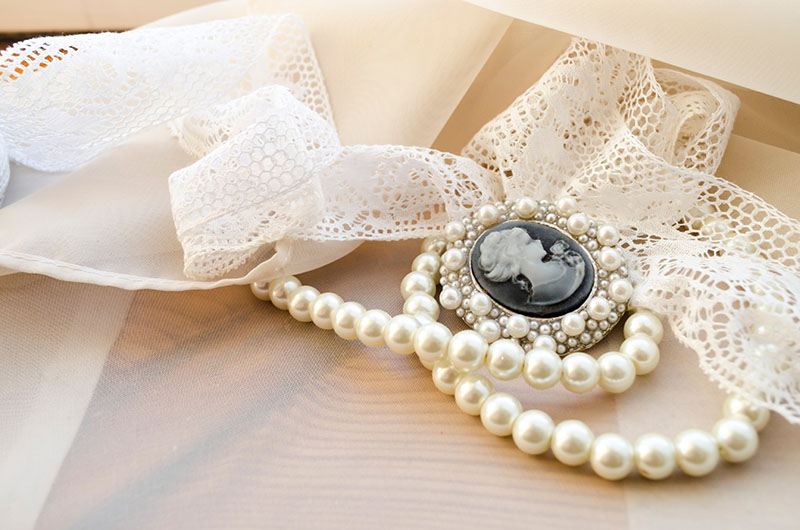
Bridal jewelry carries its own layered meanings. Pearls, historically linked to tears, were considered an inauspicious choice in some traditions; diamonds and gemstones, by contrast, were seen as symbols of enduring strength. The choice of metals; gold, silver, or mixed, often reflected regional customs or family heritage, and many brides today honor those lineages by working heirloom pieces into their jewelry selection.
How Does the Groom’s Attire Reflect the Wedding’s Formality?
The groom’s formal attire has its own rich historical arc. The morning coat, the tailcoat, and the tuxedo each mark a different era and level of formality, with the modern tuxedo emerging in the late 19th century as a refined alternative to the full tailcoat for less formal occasions. The groom’s attire choice sets a formality benchmark that ripples outward, shaping the wedding party’s look, informing the dress code for guests, and establishing the overall visual tone of the entire event.
Coordinating the groom’s look with the bridal party palette is a deliberate design decision that, when done well, creates a seamless visual narrative woven through both the ceremony and reception.
What Role Does the Sixpence in the Shoe Play in Bridal Attire?
The sixpence in the shoe is the lesser-known fifth element of the “something old, new, borrowed, blue” verse, and one worth knowing. In Victorian England, a sixpence coin was placed in the bride’s shoe, traditionally by her father, to invite wealth and financial prosperity into the new couple’s life. Worn quietly throughout the ceremony, it was a discreet but deeply intentional element of the bridal ensemble.
Since sixpence coins are no longer in circulation, modern brides often substitute a penny, a charm, or another small meaningful token. The object matters far less than the gesture, a quiet wish for prosperity, tucked away and carried down the aisle.
What Should Guests Understand About Wedding Attire Etiquette?
Wedding attire expectations extend to guests as well. The near-universal rule against wearing white to a wedding is rooted in the symbolic significance of the bride’s gown; wearing white as a guest draws attention away from the bride and signals a disregard for the occasion’s most central symbol. Many couples also communicate explicit dress codes, guiding guests toward specific colors or formality levels that complement the overall aesthetic they’ve worked so carefully to create.
FAQ
Where does the “something old, new, borrowed, blue” tradition come from?
The tradition traces back to a Victorian-era English rhyme, and the complete verse traditionally includes a fifth element most modern couples never hear: a sixpence in her shoe.
What does the white wedding dress symbolize?
The white wedding dress rose to prominence after Queen Victoria wore a white lace-trimmed gown at her 1840 royal wedding to Prince Albert. Over time, it became a symbol of purity and innocence, though the symbolic meaning actually followed the trend rather than inspiring it.
What does the bridal veil represent?
The bridal veil symbolizes modesty, protection, and transition. Its origins trace back to ancient Rome and Greece, where it was worn to shield the bride from evil spirits believed to target happy couples on their wedding day. In later centuries, it also served a practical purpose in arranged marriages, concealing the bride’s face until the ceremony was complete, a quiet safeguard whose legacy is still felt in the “lifting of the veil” moment at modern weddings.
What can modern brides use instead of a sixpence in the shoe?
Since sixpence coins are no longer in circulation, modern brides commonly substitute a penny minted in their birth year, a small heirloom coin, or any charm that carries personal meaning. The object matters less than the intent; the gesture preserves the tradition’s spirit of welcoming prosperity into married life while giving the bride a uniquely personal keepsake to carry down the aisle.
Does the “something old, new, borrowed, blue” tradition apply only to brides?
Not at all, anyone to be wed can incorporate the four elements into their wedding attire or the broader celebration. The tradition is wonderfully flexible: vintage accessories can serve as the “old” element, a subtle blue detail can be woven quietly into the ensemble, and borrowed pieces from loved ones add warmth and sentimentality, all while honoring the original spirit of the rhyme.
Conclusion
Wedding attire traditions, from the white dress popularized by Queen Victoria’s 1840 royal wedding to the bridal veil’s ancient protective roots, the “something old, new, borrowed, blue” rhyme’s Victorian origins, and the discreet sixpence in the shoe, each carry a distinct symbolic meaning that transforms a couple’s wardrobe choices into a layered expression of identity, continuity, and hope. The white gown’s association with purity, the veil’s role as both barrier and ceremonial reveal, and the four-element rhyme’s individual blessings of protection, optimism, borrowed luck, and fidelity together form a cohesive attire tradition that has endured precisely because it connects the present moment to generations of shared meaning. Beyond the bride, the groom’s formal attire, the bridal party palette, and guest dress code expectations all contribute to a unified visual narrative that defines the tone of the entire event. For couples planning a wedding in Central Florida, Events by Dubsdread brings the expertise and setting to ensure every meaningful attire detail is honored within an atmosphere worthy of the occasion.