Key Takeaways
- Engagement traditions connect modern couples to cultural heritage and enrich their wedding celebrations.
- The engagement ring symbolizes eternal love, originating from ancient Roman betrothal customs.
- The Vena Amoris myth links the left ring finger to the heart, influencing ring-wearing customs.
- Kneeling during proposals stems from medieval loyalty gestures, symbolizing respect and commitment.
- Asking for parental blessing reflects respect for family values and promotes family unity.
- Bridal showers evolved from dowry gift-giving to celebrations of love and social bonding.
- Events by Dubsdread’s historic venues support authentic wedding traditions and meaningful ceremonies.
- Integrating engagement customs personalizes weddings and deepens couples’ emotional connections.
What Is the History and Symbolism of the Engagement Ring?
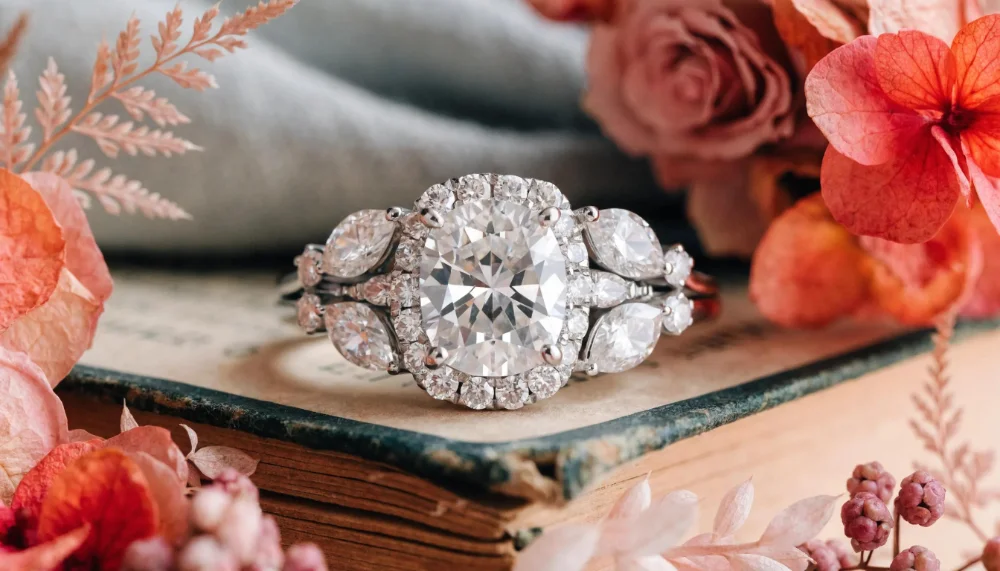
The engagement ring carries a long history of symbolism. Its circular form commonly signifies love and commitment, but its origins reach into ancient civilizations, including Roman betrothal practices. Over time the ring evolved from a token of promise to a widely recognized emblem of enduring commitment and planned partnership.
Historically, the circle’s unbroken shape symbolized eternity, a love without end. In Ancient Egypt, rings made from reeds and hemp were exchanged between lovers as a sign of eternal devotion, and later, the Romans formalized this practice with metal bands representing contractual promise. The use of precious metals like gold signified wealth and durability, while the addition of gemstones added an element of beauty and rarity that underscored the special nature of the commitment.
How Did the Engagement Ring Become a Symbol of Eternal Commitment?
The engagement ring has adapted as materials and social values changed. What began as simple bands increasingly featured precious metals and gemstones—most notably diamonds—which amplified their cultural significance. Local customs and popular influence have shaped how different communities interpret the ring, producing a variety of styles and meanings that reflect those communities’ values.
In particular, the famous De Beers advertising campaign in the 20th century revolutionized the tradition by positioning diamonds as the essential gem for an engagement ring, coining the phrase “A Diamond is Forever.” This marketing deeply influenced Western culture, associating diamonds with ultimate romance, endurance, and luxury. Beyond Western traditions, other cultures might use different stones or designs, such as jade in East Asia or turquoise in Native American cultures, each carrying its own specific meanings tied to luck, protection, or love.
What Role Does the Vena Amoris Myth Play in Engagement Ring Customs?
The Vena Amoris, or “vein of love,” is a historical belief linking the left ring finger to the heart. Originating in ancient times and popularized by Roman notions of anatomy and symbolism, the myth contributed to the convention of wearing engagement rings on the left hand. That association remains a common custom and underlines the ring’s sentimental value.
While the scientific accuracy of this vein’s existence is debatable, the symbolic power of the myth endures. For many, wearing the ring on the left hand brings a sense of closeness to one’s emotions and affections. In some cultures, the ring is worn on the right hand instead—such as in Russia and parts of Eastern Europe—highlighting how customs adapt to local beliefs and practices.
Why Do People Get Down on One Knee? The Meaning Behind Marriage Proposal Gestures
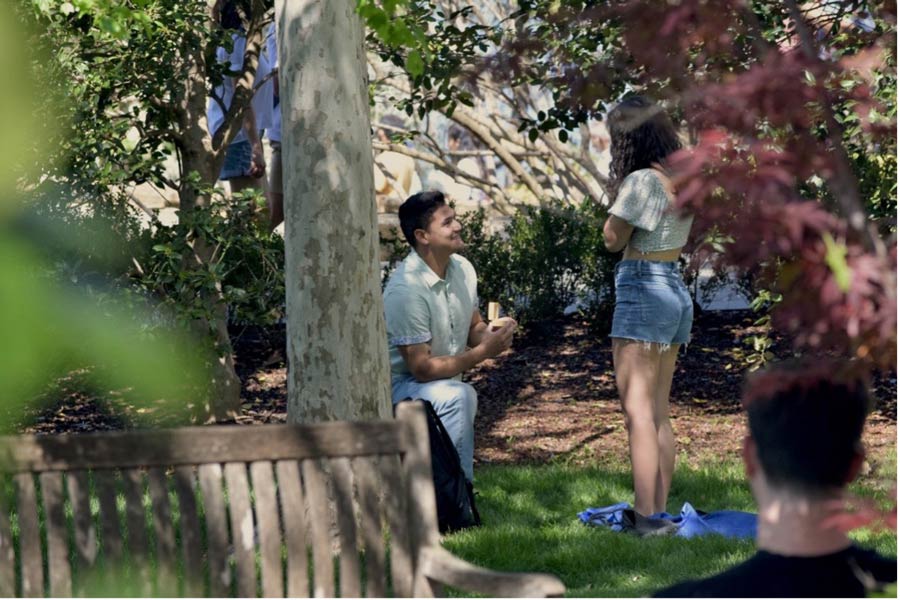
The act of kneeling during a marriage proposal conveys cultural weight. It is traditionally read as an expression of respect, humility and the seriousness of the commitment being offered.
What Are the Medieval Origins of Getting Down on One Knee?
This gesture traces to medieval practices in which knights knelt before lords to show loyalty and submission. Over time the act was reframed in a romantic context, often interpreted as a transfer of loyalty and as a visible sign of solemn intent between partners.
Kneeling was also associated with chivalry and honor; knights showed their dedication and respect by kneeling during ceremonies or battles. This physical lowering signified humility and vulnerability, conveying the weight and respect of the moment. When adapted to marriage proposals, this gesture translates into a symbolic offering of one’s loyalty and commitment to another, intertwining notions of romance and solemn promise.
How Do Modern Wedding Proposals Reflect These Traditional Gestures?
Contemporary proposals frequently retain the kneeling gesture to convey sincerity and gravity. While the form of proposals varies, the physical act remains a clear way to express commitment, allowing couples to acknowledge tradition while tailoring the moment to their relationship.
Beyond kneeling, modern proposals often incorporate personalized elements—such as creative locations, meaningful gifts, or unique rituals—that blend tradition with individual expression. Some couples may choose to forgo kneeling in favor of other meaningful gestures, reflecting changing social norms and personal preferences, yet the act’s symbolism as a gesture of earnest intent remains a key feature.
What Is the Significance of Asking for Parents’ Blessing in Wedding Traditions?
Requesting a parent’s blessing remains a meaningful practice in many engagement customs, signaling respect for family and the values they represent. The tradition emphasizes the role of family ties during the transition to marriage.
How Does Parental Blessing Represent Respect and Family Unity?
Seeking a parent’s blessing acknowledges the family’s place in the couple’s lives. The custom reinforces respect for family values and supports unity between the families of both partners, underscoring the heritage and support that contribute to the marriage.
This tradition extends beyond the formal permission of marriage; it often marks a symbolic passing of responsibility and support from one generation to the next. It recognizes the interconnectedness of families, especially important in cultures that place high value on family honor, lineage, and collective well-being. Parental blessing can also help to ease familial relationships and facilitate acceptance and integration between the two families.
How Is the Custom of Asking Parental Permission Practiced Today?
Today the practice varies widely: some couples uphold it formally, others adopt a relaxed approach or omit it entirely. Family dynamics, cultural background and individual values shape how the tradition is observed. Recognizing these differences helps couples approach the custom in a way that feels authentic to them.
In some settings, asking for parental blessing might be a private conversation between the proposer and the parents. In others, it might be part of a celebratory event where families meet and bless the couple openly. Sometimes this tradition is blended with modern values of equality and partnership, emphasizing mutual respect rather than hierarchical approval, yet it continues to symbolize respect and familial harmony.
What Are the Origins and Modern Customs of Bridal Showers?
Bridal showers have shifted from dowry-related gift-giving to modern gatherings intended to offer support and celebration for the bride as she prepares for marriage.
How Did Bridal Showers Evolve from Dowry and Gift-Giving Traditions?
The practice originated in systems where friends and family provided goods to help the bride establish a household. Over time this practical exchange became a more social, celebratory event focused on honoring the bride and marking her transition into married life.
In medieval Europe, a bride’s family was often responsible for providing a dowry, a collection of goods that contributed to the new household. When the family could not afford an adequate dowry, friends or community members might “shower” the bride with gifts. Over centuries, this evolved into structured occasions where the bride’s closest family and friends gathered to celebrate, socialize, and offer tokens of goodwill and encouragement for her upcoming marriage.
What Is the Role of Bridal Showers in Today’s Wedding Planning?
Contemporary bridal showers provide an occasion for the bride to connect with family and friends in a celebratory setting. These events strengthen social bonds, create lasting memories and build anticipation for the wedding through shared activities and well-wishes.
Bridal showers today often feature games, gift-giving, and themed parties. They provide an opportunity to honor the bride, celebrate love, and foster community among guests before the formal wedding ceremony. The event can also alleviate stress by creating joyful, supportive moments and allowing loved ones to contribute to the couple’s new life together through thoughtful presents or advice. Additionally, cultural variations exist, such as the “tea party” style showers in some Western contexts or the “Henna night” in South Asian traditions, each enhancing the cultural richness of the pre-wedding festivities.
How Can Understanding Engagement Traditions Enhance Your Wedding at Events by Dubsdread?
Applying engagement traditions can add depth and intention to a wedding at Events by Dubsdread. A clear understanding of these customs enables couples to design a ceremony that reflects their values and personal preferences.
What Historic Features of Events by Dubsdread Support Authentic Wedding Traditions?
Events by Dubsdread offers historic venues that support traditional celebrations. These elegant, history-rich spaces allow couples to honor longstanding customs while creating a distinctive atmosphere for their ceremony, enhancing the occasion’s significance and memorability.
The venue’s charming architecture, lush landscaping, and timeless ambiance provide an ideal backdrop for both classic and personalized rituals. Facilities designed to accommodate intimate gatherings or grand celebrations allow flexibility for integrating engagement customs—whether it’s the symbolic presentation of the ring, the moment of kneeling during the proposal, or the hosting of a bridal shower. The venue’s respect for heritage complements couples’ desires to impart authenticity and emotional resonance to their commitment ceremonies.
How Does Integrating Engagement Customs Elevate Your Wedding Experience?
Incorporating engagement customs helps couples personalize their wedding and strengthen their emotional connection. When traditions are aligned with a couple’s story, the ceremony becomes more meaningful for them and their guests. Events by Dubsdread supports this approach, encouraging the inclusion of cherished practices for a resonant and engaging celebration.
Personalizing these traditions allows couples to honor their roots while also shaping new rituals unique to their partnership. This might include custom vows exchanged along with the engagement ring, a special moment of family blessing within the ceremony, or integrating cultural rituals that resonate deeply. Such choices create a rich tapestry that guests can appreciate and that the couple will remember as a heartfelt reflection of their journey together.
Frequently Asked Questions
What Unique Engagement Traditions Exist in Different Cultures?
Diverse cultures maintain distinct engagement customs that contribute cultural depth to a celebration. For example, some African communities observe bride price or dowry exchanges to signify respect, while Indian engagement ceremonies such as the ‘roka’ involve rituals and blessings from elders. Awareness of these practices enables couples to incorporate elements that honor their heritage or that of their partners.
How Can Couples Create Their Own Engagement Traditions?
Couples can establish personalized rituals that reflect their shared values and history—for instance, exchanging written vows, planting a tree to mark growth, or involving family members in a symbolic moment. The objective is to create meaningful, memorable acts that resonate with both partners.
Are There Modern Alternatives to Traditional Engagement Rings?
Alternatives to conventional engagement rings include non-traditional gemstones such as sapphires or moissanite, bespoke jewelry that reflects the couple’s identity, or symbolic experiences like a commemorative trip. These options allow couples to express their commitment in ways that suit their preferences.
What Should Couples Consider When Choosing an Engagement Venue?
When choosing a venue, couples should assess personal style, the desired atmosphere and the site’s significance. Consider whether you prefer an intimate setting or a larger engagement event, and weigh practical factors such as budget, guest accessibility and the venue’s suitability for incorporating meaningful traditions.
What Are Common Misconceptions About Engagement Traditions?
Common misconceptions include the idea that traditions are mandatory or must be followed exactly. While traditions carry symbolic value, couples may adapt or omit practices to align with their values. Likewise, meaningful gestures need not be extravagant; authentic, personal moments often hold the greatest significance.
Conclusion
Understanding engagement traditions can deepen the emotional impact of a wedding and strengthen a couple’s bond. By incorporating customs that reflect their heritage and values, couples create meaningful celebrations. To plan a personalized ceremony, consider the historic venues at Events by Dubsdread, which support time-honored traditions and thoughtful weddings. Begin planning to create an event that honors your story and values.