Key Takeaways
- Wedding traditions evolved from strategic family alliances into celebrations of individual love and personal choice.
- Couples today skip or modify several classic traditions, including garter tosses and something blue requirements.
- Modern weddings blend historical customs with personalized elements reflecting the couple’s unique values and backgrounds.
- Orlando couples increasingly create new traditions while honoring cultural heritage, reshaping what weddings mean today.
Why Do Wedding Traditions Keep Changing?
Cultural priorities shift, and wedding rituals shift with them. Couples today reinterpret inherited customs to reflect who they actually are, not who their grandparents were. That reinterpretation explains why evolving wedding traditions feel like a constant rather than a phase.
Marriage itself once served a different purpose. Centuries ago, weddings functioned as strategic alliances between families rather than pure celebrations of love. Matches were arranged, and rituals followed rigid rules with little room for personal expression. Modern couples inherit the ceremonial shell of those customs while filling it with entirely new meaning.
Are Old Wedding Customs Still Relevant Today?
Many customs have survived for decades, even centuries, and remain genuinely beloved parts of the celebration. Couples don’t discard heritage simply because it’s old. Instead, they treat modern wedding customs as a starting point, keeping the parts that still resonate and quietly retiring the rest.
Why Are Couples Breaking From Tradition Now?
Recent years have pushed couples toward reimagining wedding traditions so the day reflects their own personalities instead of inherited convention. This shift lets a bride and groom express individual taste without feeling boxed in by expectation.
The result is a spectrum rather than a single standard:
- Full tradition: rituals performed exactly as inherited, unchanged
- Blended approach: classic structure with personalized details layered in
- Full reinvention: ceremony built from scratch around the couple’s values
Comparing wedding traditions old vs new side by side, one pattern stands out. History provided the framework; personal identity now decides what stays. That single dynamic drives every one of today’s modern wedding trends.
Where Did the Bouquet and Garter Toss Begin?
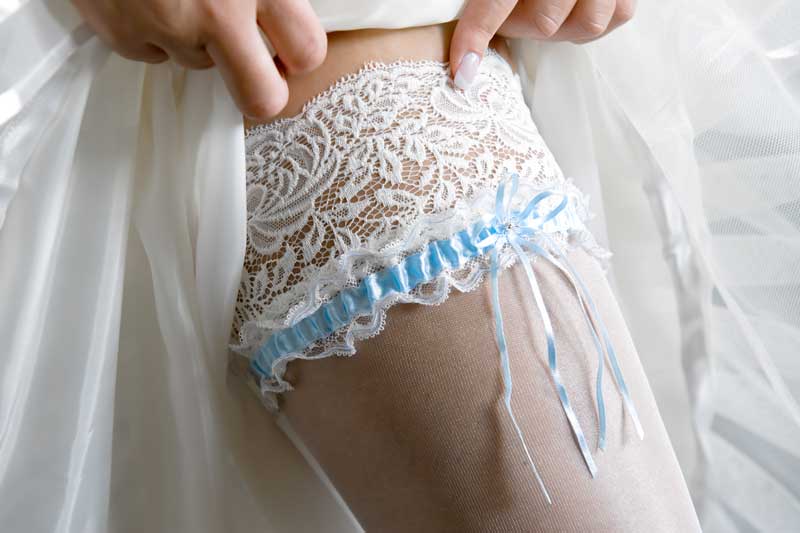
Ancient English wedding celebrations gave rise to the bouquet and garter tosses. Both traditions have solidified their place in today’s wedding culture. Guests once believed that a fragment of the bride’s dress or bouquet carried good luck. That belief sparked behavior far rowdier than any modern reception dance floor.
Why did guests grab the bride’s bouquet?
Wedding attendees in early England treated the bride as a walking good-luck charm. Once the ceremony ended, guests would rush toward her and tear pieces from her dress or bridal bouquet, convinced that holding a scrap guaranteed fortune and good luck for whoever claimed it. This scramble left brides shaken and their gowns in tatters.
The custom quickly turned from celebration into chaos. Crowds pressed in, fabric ripped, and flowers scattered across the floor. What began as a gesture of shared joy became something closer to a mob scene.
How did the toss solve the problem?
Brides needed an exit strategy, so evolving wedding traditions offered one: tossing the bouquet in one direction while slipping away in the other. This small maneuver gave brides a clear escape route from the crowd’s harassing, sometimes brutal pursuit.
The strategy worked well enough to outlast its original purpose. Today’s version has traded frantic escape for celebratory tradition, but the core action remains unchanged. Modern couples embracing reimagining wedding traditions can look at the toss as more than décor. It is a survival tactic turned keepsake ritual, proof that even the most lighthearted wedding moments often carry surprisingly practical origins.
Why Do Cake Cutting and Bridal Veil Traditions Endure?
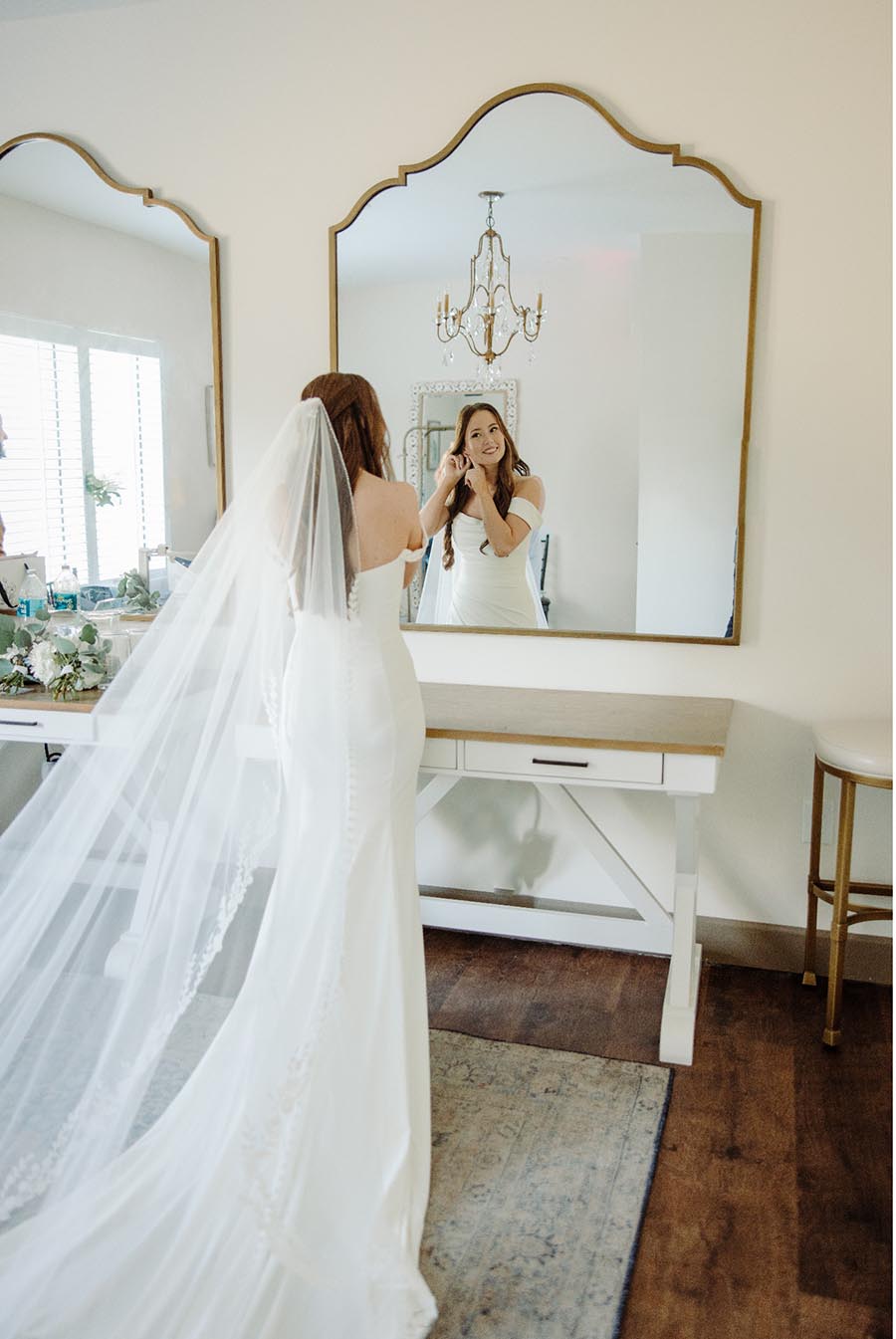
Symbolism keeps these two customs alive at modern celebrations. Ancient rituals gave both traditions weight long before anyone considered them simple photo opportunities. That deep history is exactly why couples exploring evolving wedding traditions keep them part of the celebration.
Where did the cake-cutting tradition start?
Ancient Rome is often credited with an early version of this custom, where a loaf of bread was broken over the bride’s head as a symbol of fertility and good fortune, with guests gathering the crumbs as tokens of luck. Over the centuries, the broken bread gave way to a tiered cake, and the cutting itself shifted from something done to the bride into something done together. Today, the couple cuts the first slice as a pair and often feeds each other a bite, a gesture that has come to represent their first shared task as a married couple. Couples treating modern wedding customs as a starting point can keep the cake cutting exactly as inherited, or adapt the moment to suit their own personalities.
Why do brides wear a veil?
The bridal veil traces back to ancient Rome and Greece, where brides covered their faces to ward off evil spirits believed to target new brides. During eras when marriages were commonly arranged, the veil also served a more practical purpose, concealing the bride’s face until the marriage was formally sealed. Only afterward, sometimes during a dedicated “unveiling” moment, would the groom see his bride’s face directly. Modern couples have largely inherited the veil as a fashion statement and a nod to tradition rather than a superstition, choosing it as much for how it looks in photographs as for its history. Uncertainty about its exact origin gives couples freedom: without one fixed meaning, a veil can be worn long, short, layered over the face, or skipped altogether.
Consider what these two customs offer couples today:
- A visual link to centuries-old marriage rituals and family customs
- Flexibility, since neither custom locks the couple into one format or meaning
- A moment of elegance and ceremony that guests instantly recognize and enjoy
Reimagining wedding traditions doesn’t mean discarding them. Couples weighing wedding traditions old vs new can keep the cake cutting and the bridal veil while updating the details. Among current modern wedding trends, that balance of heritage and personal style remains a consistent favorite.
How Have Parent Dances Evolved Over Time?
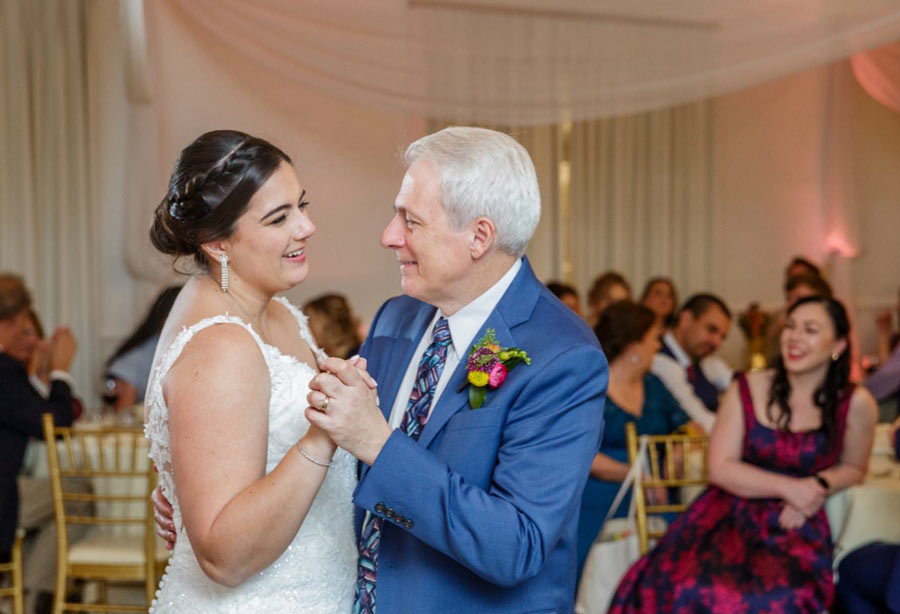
Parent dances have shifted from a symbol of family transfer to a heartfelt tribute couples now shape around their own relationships. The father-daughter dance traces back to an era when arranged marriages were common practice, long before couples chose each other freely. Reimagining wedding traditions like this one shows how a custom rooted in family negotiation became a moment of personal connection.
Originally, the dance carried real weight beyond sentiment. Midway through, the father would hand his daughter off to the groom in a deliberate, symbolic gesture. That handoff represented the father’s trust in the new husband and marked his shift into the role of the most important man in his daughter’s life. Guests watching once understood the moment as a quiet transaction of family responsibility, not just a photo opportunity.
Where does the father-daughter dance happen at receptions today?
Placement has changed even though the meaning has softened. Rather than replacing the couple’s first dance, the father-daughter dance now typically follows right after it. This sequencing lets the newlyweds claim the spotlight first, with family dances rounding out the celebration afterward.
Is the mother-son dance an old tradition too?
Not quite, it’s a newer addition. The mother-son dance emerged only after the father-daughter dance became a standard fixture at receptions. Once one parent-child moment became expected, couples began looking for a way to honor the other parent equally.
Comparing the two customs side by side highlights how far parent dances have traveled:
| Aspect | Historical Origin | Modern Practice |
|---|---|---|
| Father-daughter dance | Marked a father’s trust and formal handoff to the groom | Follows the couple’s first dance as a personal tribute |
| Mother-son dance | Did not originally exist | Added later to balance parental recognition |
These shifts reflect wedding traditions old vs new playing out in real time, one reception at a time.
Why Do Couples Still Celebrate Bridal Showers?
The bridal shower carries one of the more practical histories among today’s wedding customs. What began as a financial safety net for brides without a dowry has grown into a cherished ritual that helps couples step into married life with confidence and support.
What was the original purpose of the bridal shower?
Historically, a bride’s family provided a dowry, money, property, or goods offered as part of the marriage arrangement. When a father refused to provide one, often because he disapproved of the match or simply couldn’t afford it, friends and community members stepped in. They would “shower” the bride with gifts equal in value to the lost dowry, ensuring she could still enter the marriage with the resources a new household needed. This grassroots version of the ritual gave brides without family support a fair start.
How has the meaning changed today?
Modern bridal showers rarely serve as a financial rescue. Instead, they function as a celebration of the bride and a practical send-off, helping the couple furnish a home, stock a kitchen, or simply feel surrounded by loved ones before the wedding. The shift from necessity to celebration mirrors the broader pattern behind evolving wedding traditions: a custom born from hardship becomes an occasion for community and support.
Comparing the two eras highlights the change:
- Original purpose: replace a missing or refused dowry with gifted goods
- Modern purpose: celebrate the bride and help the couple begin married life together
Couples exploring wedding traditions old vs new often find the bridal shower a good example of how practicality and sentiment can coexist. The gesture remains the same — gathering loved ones to support the couple — even as the reason behind it has softened from necessity to warmth. Among today’s modern wedding trends, that blend of tradition and personal care is exactly what keeps the bridal shower on the calendar.
How Can Couples Reimagine Traditions Today?
Couples reimagine wedding traditions by choosing which customs to keep, which to adapt, and which to leave behind entirely. Two paths sit open: honoring age-old rituals exactly as written, or personalizing the day to reflect a couple’s own story. Neither path is wrong. Understanding both makes the decision easier, and it turns planning into a creative exercise rather than a checklist of obligations.
Reimagining wedding traditions starts with a simple question: does this custom still mean something to us? Modern couples increasingly answer honestly, choosing to express their tastes and personalities instead of following convention out of habit. That shift explains why modern wedding customs now include everything from unity ceremonies swapped for shared meals to first dances set to unexpected songs.
Should couples feel obligated to keep every tradition?
No custom is mandatory. A wedding remains, at its core, a celebration of two people’s love, surrounded by rituals that carry history but not obligation. Couples can keep the customs that feel meaningful and quietly retire the rest.
How do couples decide what to keep versus change?
Start by sorting traditions into three groups:
- Keep as-is — customs that feel personally or culturally significant
- Adapt — rituals worth reshaping to fit modern values or logistics
- Skip — elements that no longer serve the couple’s vision
This approach turns wedding traditions old vs new into a framework, not a conflict, guiding couples toward a day that feels authentically theirs.
FAQ
Why do modern couples modify classic wedding traditions?
Couples reinterpret inherited customs to reflect their own identities rather than following rigid inherited rules. This shift lets brides and grooms express personal taste instead of feeling boxed in by convention.
What does a blended wedding approach look like?
A blended approach keeps the classic ceremonial structure while layering in personalized details. Couples retain resonant traditions and quietly retire the rest, treating heritage customs as a starting point rather than a fixed script.
Where did the bouquet and garter toss originate?
Both traditions began in ancient English wedding celebrations, where guests believed a piece of the bride’s dress or bouquet carried good luck. This belief led guests to tear pieces from the bride’s gown or bouquet.
Conclusion
In closing, wedding traditions continue to evolve as couples honor meaningful customs while crafting wedding celebrations that authentically reflect their values and vision. Whether embracing time-honored rituals or reimagining them entirely, today’s couples navigate tradition with intention, creating events that resonate deeply with their guests. The most memorable weddings blend respect for heritage with personal expression, resulting in ceremonies and receptions that feel both timeless and distinctly their own.
As couples decide which traditions to keep, adapt, or leave behind, having an experienced partner on hand makes all the difference. At Events by Dubsdread, the day-of coordinator works closely with each couple long before the wedding day itself, learning which customs matter most to them and translating that vision into a detailed, workable timeline. On the day, that coordinator manages the logistics behind every ritual, from a heartfelt parent dance to a reimagined bouquet toss, so the couple can stay present in the moment while their wedding unfolds exactly as they imagined it.